






















Los Artículos sobre Mascotas (Perros o Gatos) de PETSmania

Ir a indice de Artículos
Kerry Blue Terrier
Degerative Mielopaty (DM) Kerry Blue Terrier
Por :
Ávila (España)
Seccion:
DEGENERATIVE MIELOPATY (D.M.)
Breed
All The Breeds.
Disease
Degerative Mielopaty (DM) is an important neurodegerative disease which starts at an old age around 8 years of age. The disease is produced by a degeneration of the axons and of the myelin in the thoracic and sacrum of the spinal cord which produces progressive ataxia and paralysis. The first clinic symptom to appear is in the back legs as a sign of an alteration of the upper motor neurons. As the disease advances the uncoordinated movements appear in the back legs, alterations in the perception and in the reflexes. In an advanced state the front legs will be also affected with paralysis. This disease was discovered at the first time in German Sheppard as a spinal cord disease, but as with this breed, this disease has been found in many others.
A Mutation has been found as the main cause of risk to suffer this disease, but depending on the age it will have in incomplete penetrance.
Mutation and Herebality
The fault responsible of the mutation of the gene SOD1 can be identified by a DNA test.
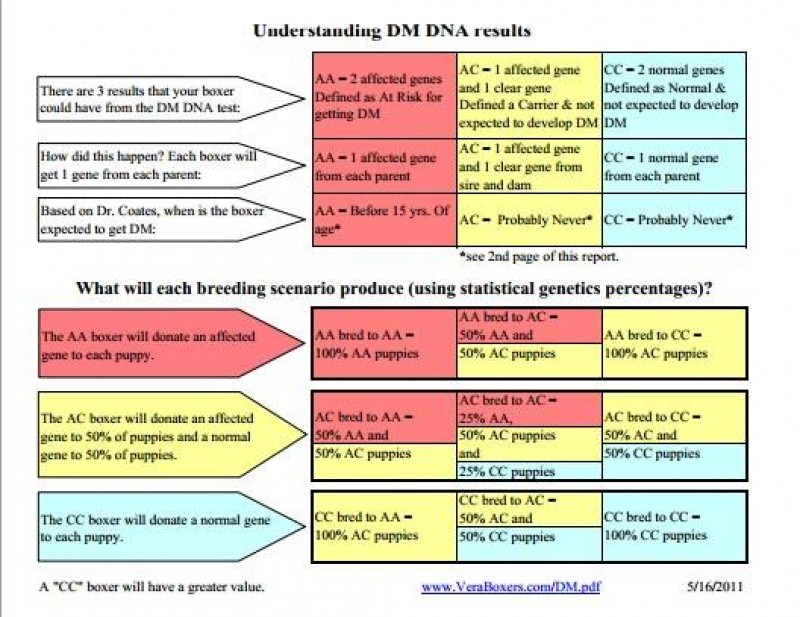
DM is inherited in an autosomal recessive way with uncomplete penetrance. This means that a dog will only get ill when he obtains an affected gen from both: father and mother. That is why the father and the mother must have the mutated gene to suffer the disease. Carriers, which are animals with only one mutated gene, will never suffer the disease of DM, but will transmit this mutated gene to their offspring in a 50% of probabilities. In the mate of two Carriers, the risk of affected animals is clear. This is the reason for not mating two Carriers.
There are Three Genotypes:
1. Genotype N/N (Free Homocygous): This dog does not carry the mutation and has no risk to get ill of D.M. It cannot transmit the mutation to its offspring. This dog is Free of the mutation.
2. Genotype N/DM (Carrier Homocygous): This dog carries a copy of the mutated gene and also a copy of a free gene. He has no risk to get ill fo D.M. but it will transmit the affected gene to its offspring in a 50% of probabilities. This dog must only be mated to a free mutated gene. This dog is a Carrier.
3. Genotype DM/DM (Affected Homocygous): This dog carries two copies of the mutated gene and has a high risk of probabilities to get ill of DM. It will transmit the mutation to all its offspring in a 100% of probabilities and must be only mated to a free mutated gene dog. This dog is Affected.
The DNA Test
A DNA test gives the possibility of a clear identification of the mutation. The DNA test is independent of the animal’s age and can also be done on puppies. It will not only make the difference among affected animals, but will also give us information about the Carriers which is of maximum importance for the Breeding.
To guarantee the highest security of the test, every test is done two times in an individual way.
Material
1ml of blood with EDTA or an oral smear.
Time for the Test
1 week
Method
PCR in real time
Notes
The test can be done by oral smear. The necessary swabs for this test will be provided and posted in a free way by LABOKLIN. It is very important that the simple is done in the correct way, or it will not drag enough material for the test.
The test will be done several times a week. The result will be ready in 1 week or so after the sample arrives to the Lab.
For more information, contact us:
Dra. Petra Kühnlein, Dra. Ines Langbein-Detsch o Dr. Miguel Galián
LABOKLIN GmbH und Co.KG
Steubenstraße 4
D-97688 Bad Kissingen, Alemania
Phone: +49-971/72020 o Fax: +49-971/ 7202995

LA CADIERA Caniche Enano y Caniche Toy

cc lacadiera.com
Paraje de la Puente Grande, s.n.
Berrocalejo de Aragona
5194 - Ávila - España
Mov: +34-693.801.910
cc
lacadiera.comParaje de la Puente Grande, s.n.
Berrocalejo de Aragona
5194 - Ávila - España
Mov: +34-693.801.910
Nota: no se responsabiliza de la informacion u opiniones vertidas en estos contenidos ni tiene por que estar de acuerdo con ellos.


Artículos publicados: 779
Mostrando la pagina 2 de 52
Mostrando la pagina 2 de 52
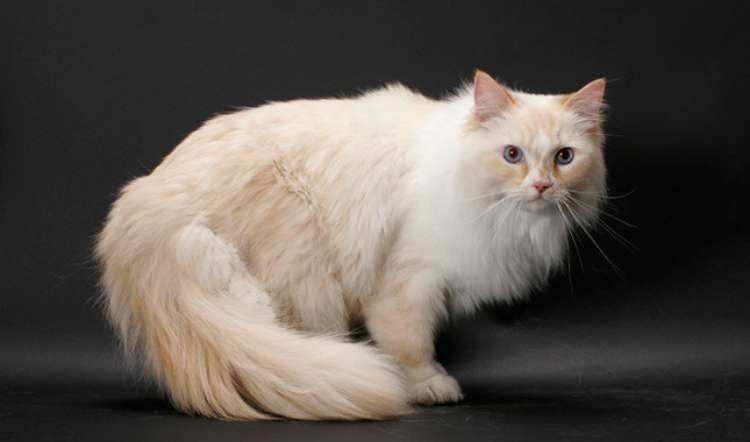
Cómo es el gato Ragamuffin
Seccion: Una raza muy poco conocida, con un origen misterios, pero gatos de gran corazón, cariñosos y sociables. Conoce un poco más de esta raza.´ ...
Por : PETSMANIA
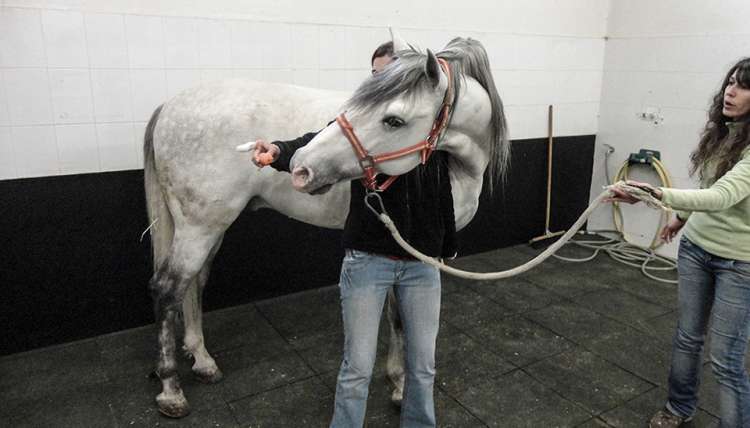
¿Qué es la Fisioterapia Animal?
Seccion: La Fisioterapia según la Organización mundial de la Salud ( O.M.S.) se define en 1958 como: ?La técnica y la ciencia del tratamiento a través de: medios físicos, ejercicio terapéutico, masoterapia y elect ...

Por :

La Homeopatia.
Seccion: La Homeopatía Unicista es un sistema médico que se basa en leyes naturales. ...
Por :
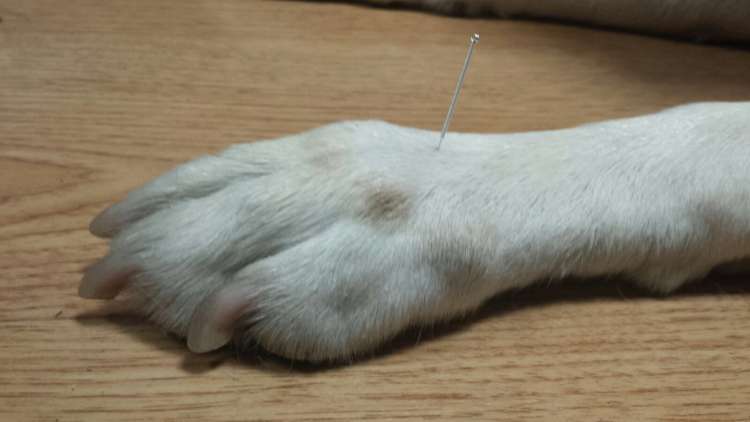
¿Qué es la Acupuntura?
Seccion: Consiste en la inserción y manipulación de agujas en el cuerpo con el objeto de restaurar la salud y el bienestar. Buscamos el equilibrio entre el cuerpo y la mente. ...
Por :
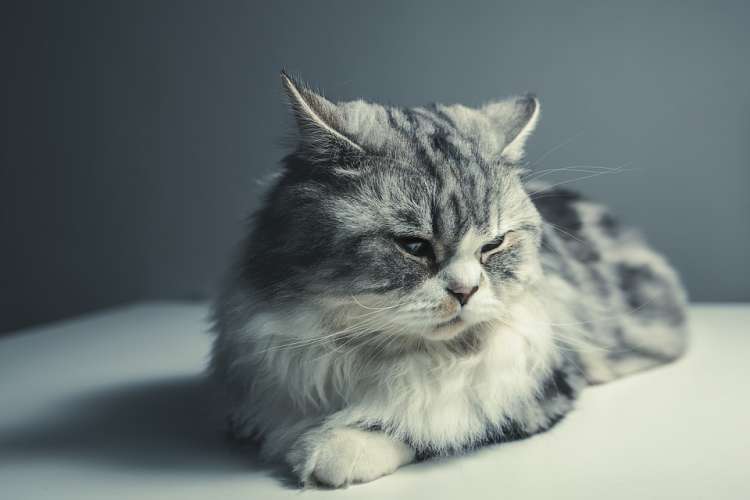
Persa
Cómo es la raza de gato Persa
Seccion: Cómo es la raza de gato Persa
Después de pasar varias décadas siendo gatos exclusivos de la realeza y de personalidades de la música, escritores o gente influyente, el gato persa es en la actualidad una de las razas de gatos más codicia ...
Por : PETSMANIA
Kerry Blue Terrier
Historia de Hugo
Seccion: Historia de Hugo
Tú estás loca Paquita, no tienes bastante con los niños, los colegios, las clases particulares, la casa... como para ahora echarte también el cargo de un perro. Pues a mi casa ni se ...
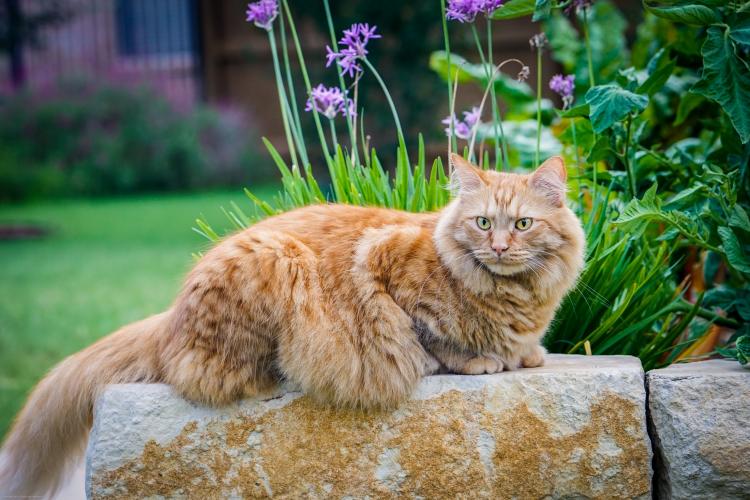
Maine Coon
Como es la raza de gato Maine Coon
Seccion: Como es la raza de gato Maine Coon
Este gigante es ideal como gato de familia. Un excelente cazador y tremendamente ágil para su tamaño, comparte uno de los rasgos transversales de todos los felinos: es perezoso. Aunque el pelaje del Maine Coo ...
Por : PETSMANIA
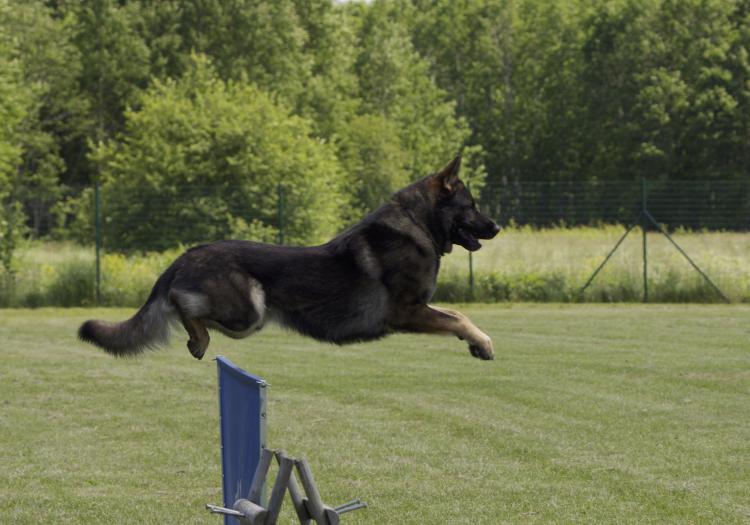
Pastor Alemán
Como es la raza de perro Pastor Alemán
Seccion: Como es la raza de perro Pastor Alemán
El Pastor Alemán, o Deutscher Schäferhund en su nombre original, es un perro de tamaño medio/grande. Es un perro de trabajo. Es un can equilibrado, estable, obediente, sociable e inteligente, pero si tenemos ...
Por : PETSMANIA
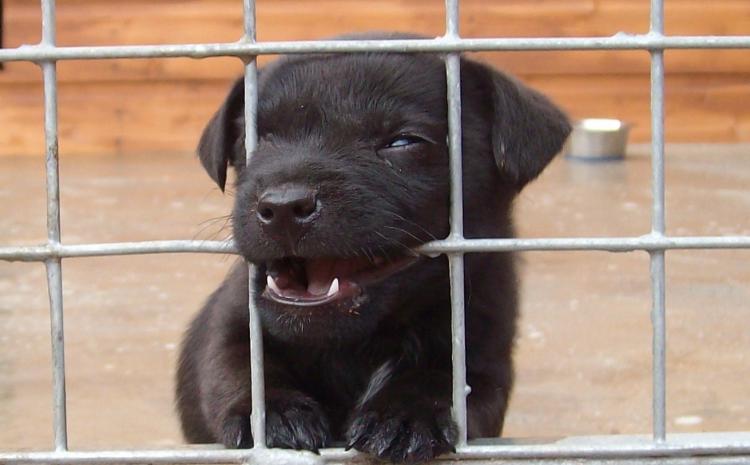
Labrador Retriever
Como es la raza de perro Labrador Retriever
Seccion: Como es la raza de perro Labrador Retriever
De constitución fuerte, es una raza muy activa. El tamaño es mediano/grande y posee un pecho ancho y musculoso. Los aspectos que llamarán nuestra atención son su denso y corto manto, el pelo del Perdiguero ...
Por : PETSMANIA
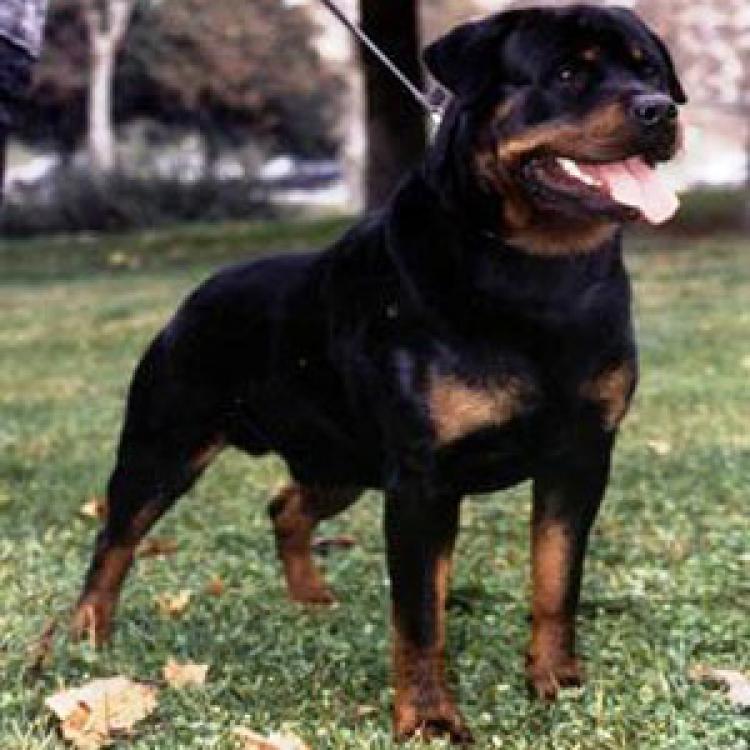
Campeonatos del Criadero Breogan
Seccion: Más de 400 Títulos obtenidos por perros de nuestra cria y/o propiedad por todo el mundo. More than 400 Champion Titles reached by our rottweilers all over the world. ...
Por :
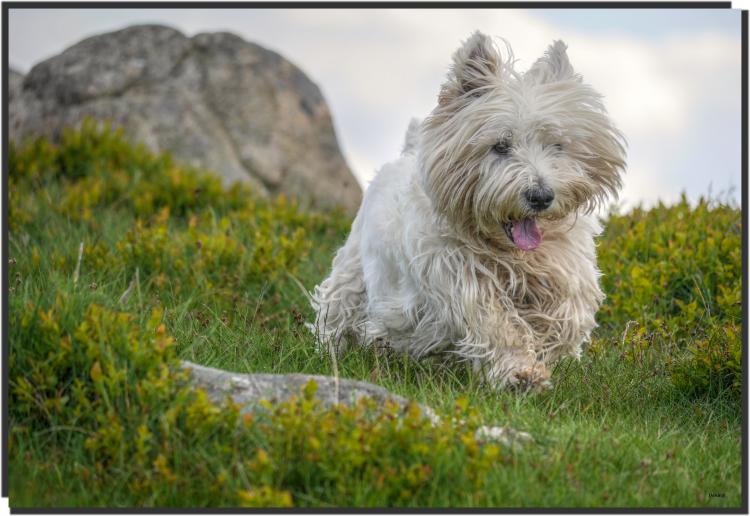
West Highland White Terrier
Como es la raza de perro West Highland White Terrier
Seccion: Como es la raza de perro West Highland White Terrier
Son perros pequeños con un cuerpo robusto y firme. La apariencia general es la de fuerza y agilidad. La expresión de este pequeño juguetón es traviesa y en alerta. El carácter de este terrier es equilibrad ...
Por : PETSMANIA
Dogo Canario
Entrevista a Radio Ecca por el día de Canarias
Seccion: Entrevista a Radio Ecca por el día de Canarias
30 de Mayo de 2008 Entrevista a Radio Ecca por el día de Canarias (esta entrevista también fue publicada en la revista "El Mundo del Perro nº 343) ...
Por :
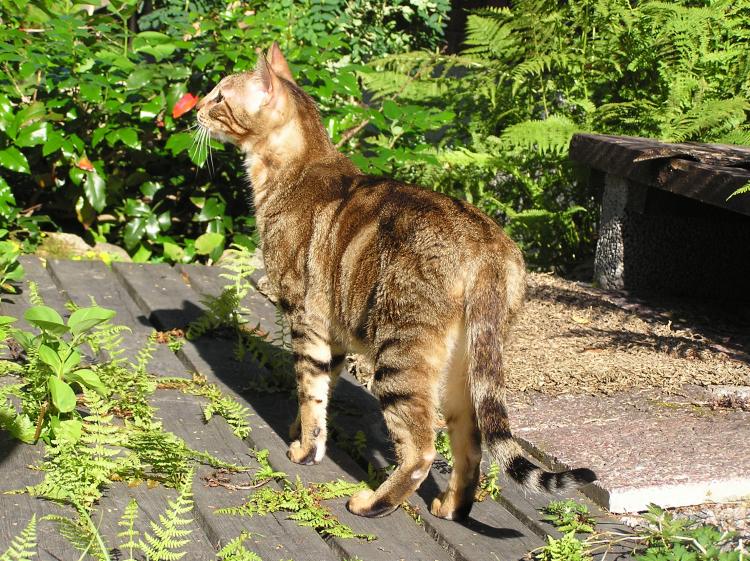
Sokoke
Como es la raza de gato Sokoke
Seccion: Como es la raza de gato Sokoke
Los gatos Sokoke, Khadzonzo o African Shorthair son activos y ágiles. Lucen rayas y manchas en tonos marrones. El patrón es único en la combinación de rayas rectas con otras curvas y pequeños círculos irr ...
Por : PETSMANIA
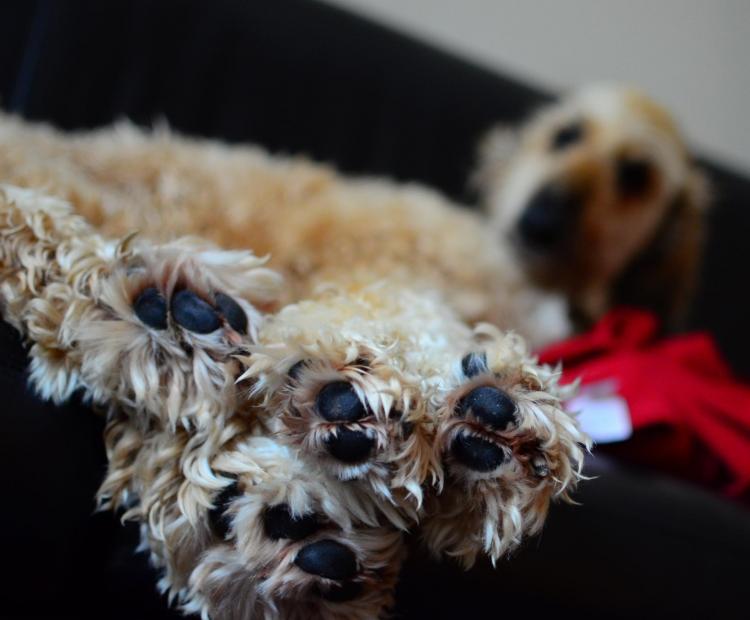
Lebrel Afgano
Como es la raza de perro Lebrel Afgano
Seccion: Como es la raza de perro Lebrel Afgano
El Lebrel Afgano aristocrático y refinado se le ha considerado el "Rey de los perros", pero también responde a los apelativos Galgo Afgano o Tazi. Sus dueños describen este animal como cómico y distante. Ta ...
Por : PETSMANIA
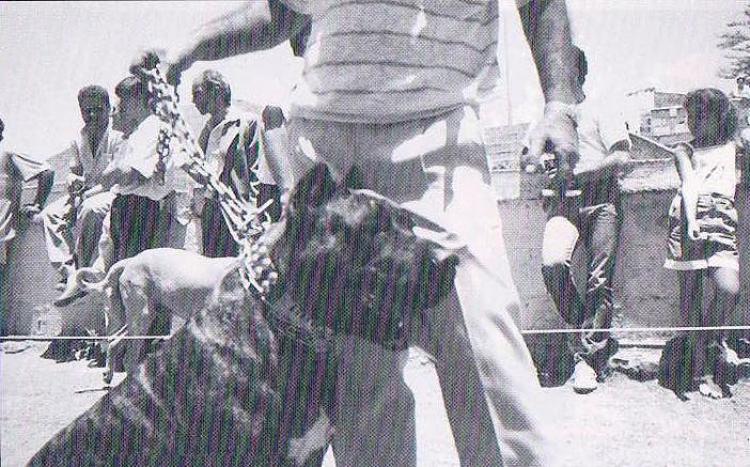
Dogo Canario
Historia del perro de Presa Canario
Seccion: Historia del perro de Presa Canario
El historiador Agustín Miralles Torres, en su ´Historia general de las Islas Canarias´ comenta la derivación de los grandes canes que en ellas se encontraban y de cuyos animales llevaron dos al rey de Mauri ...
Por :