






















Los Artículos sobre Mascotas (Perros o Gatos) de PETSmania
Ir a indice de Artículos
Kerry Blue Terrier
Degerative Mielopaty (DM) Kerry Blue Terrier
Por :
Ávila (España)
Seccion:
DEGENERATIVE MIELOPATY (D.M.)
Breed
All The Breeds.
Disease
Degerative Mielopaty (DM) is an important neurodegerative disease which starts at an old age around 8 years of age. The disease is produced by a degeneration of the axons and of the myelin in the thoracic and sacrum of the spinal cord which produces progressive ataxia and paralysis. The first clinic symptom to appear is in the back legs as a sign of an alteration of the upper motor neurons. As the disease advances the uncoordinated movements appear in the back legs, alterations in the perception and in the reflexes. In an advanced state the front legs will be also affected with paralysis. This disease was discovered at the first time in German Sheppard as a spinal cord disease, but as with this breed, this disease has been found in many others.
A Mutation has been found as the main cause of risk to suffer this disease, but depending on the age it will have in incomplete penetrance.
Mutation and Herebality
The fault responsible of the mutation of the gene SOD1 can be identified by a DNA test.
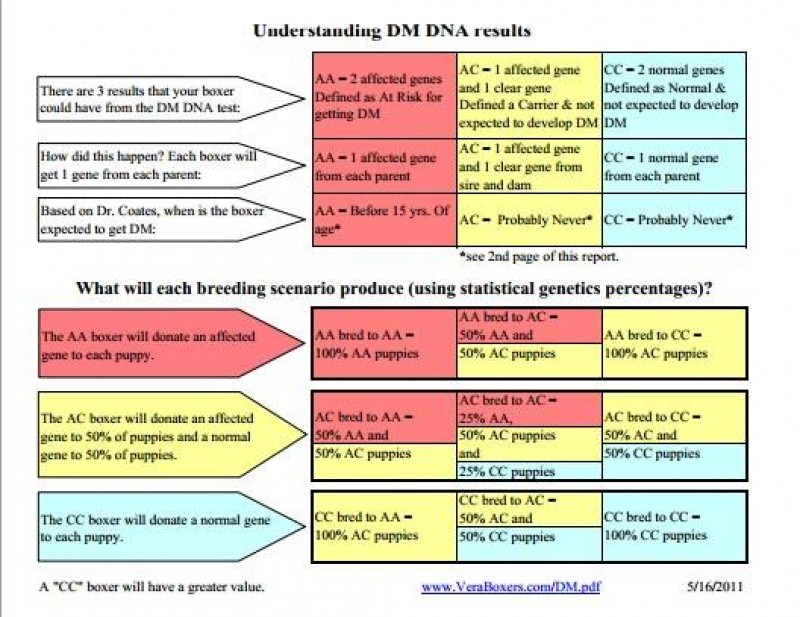
DM is inherited in an autosomal recessive way with uncomplete penetrance. This means that a dog will only get ill when he obtains an affected gen from both: father and mother. That is why the father and the mother must have the mutated gene to suffer the disease. Carriers, which are animals with only one mutated gene, will never suffer the disease of DM, but will transmit this mutated gene to their offspring in a 50% of probabilities. In the mate of two Carriers, the risk of affected animals is clear. This is the reason for not mating two Carriers.
There are Three Genotypes:
1. Genotype N/N (Free Homocygous): This dog does not carry the mutation and has no risk to get ill of D.M. It cannot transmit the mutation to its offspring. This dog is Free of the mutation.
2. Genotype N/DM (Carrier Homocygous): This dog carries a copy of the mutated gene and also a copy of a free gene. He has no risk to get ill fo D.M. but it will transmit the affected gene to its offspring in a 50% of probabilities. This dog must only be mated to a free mutated gene. This dog is a Carrier.
3. Genotype DM/DM (Affected Homocygous): This dog carries two copies of the mutated gene and has a high risk of probabilities to get ill of DM. It will transmit the mutation to all its offspring in a 100% of probabilities and must be only mated to a free mutated gene dog. This dog is Affected.
The DNA Test
A DNA test gives the possibility of a clear identification of the mutation. The DNA test is independent of the animal’s age and can also be done on puppies. It will not only make the difference among affected animals, but will also give us information about the Carriers which is of maximum importance for the Breeding.
To guarantee the highest security of the test, every test is done two times in an individual way.
Material
1ml of blood with EDTA or an oral smear.
Time for the Test
1 week
Method
PCR in real time
Notes
The test can be done by oral smear. The necessary swabs for this test will be provided and posted in a free way by LABOKLIN. It is very important that the simple is done in the correct way, or it will not drag enough material for the test.
The test will be done several times a week. The result will be ready in 1 week or so after the sample arrives to the Lab.
For more information, contact us:
Dra. Petra Kühnlein, Dra. Ines Langbein-Detsch o Dr. Miguel Galián
LABOKLIN GmbH und Co.KG
Steubenstraße 4
D-97688 Bad Kissingen, Alemania
Phone: +49-971/72020 o Fax: +49-971/ 7202995

LA CADIERA Caniche Enano y Caniche Toy

cc lacadiera.com
Paraje de la Puente Grande, s.n.
Berrocalejo de Aragona
5194 - Ávila - España
Mov: +34-693.801.910
cc
lacadiera.comParaje de la Puente Grande, s.n.
Berrocalejo de Aragona
5194 - Ávila - España
Mov: +34-693.801.910
Nota: no se responsabiliza de la informacion u opiniones vertidas en estos contenidos ni tiene por que estar de acuerdo con ellos.


Artículos publicados: 777
Mostrando la pagina 51 de 52
Mostrando la pagina 51 de 52
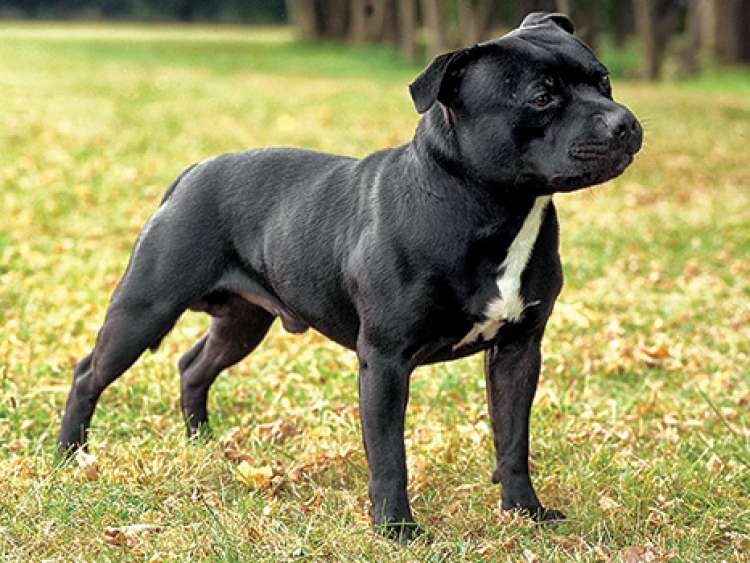
Staffordshire Bull Terrier
Estandar de la Raza Staffordshire Bull Terrier
Seccion: Estandar de la Raza Staffordshire Bull Terrier
Estandar de la Raza ...
Fox Terrier de Pelo Duro
Estandar de la Raza Fox Terrier de Pelo Duro
Seccion: Estandar de la Raza Fox Terrier de Pelo Duro
Estandar de la Raza ...
Spitz de los Visigodos
Estandar de la Raza Spitz de los Visigodos
Seccion: Estandar de la Raza Spitz de los Visigodos
Estandar de la Raza ...
Perro Cazador de Alces Sueco
Estandar de la Raza Perro Cazador de Alces Sueco
Seccion: Estandar de la Raza Perro Cazador de Alces Sueco
Estandar de la Raza ...
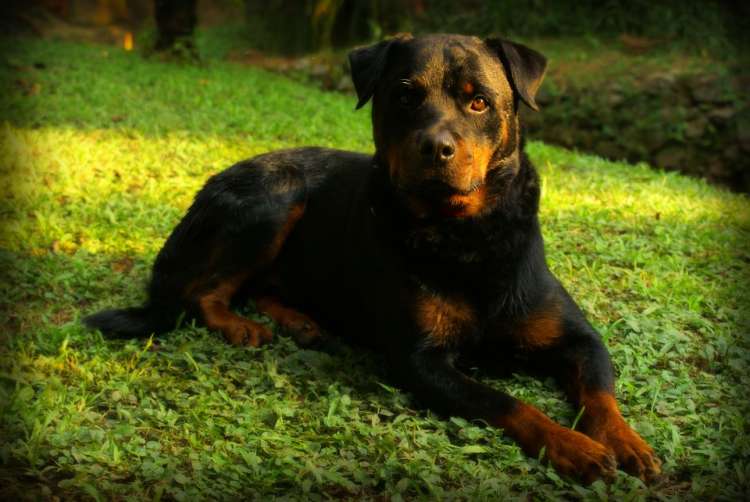
El Rottweiler en España
Seccion: El Rottweiler se empieza a conocer en España en los años 60, aunque eran ejemplares aislados, poco a poco comienza a acudir a exposiciones caninas y causan gran sensación, tanto por su robustez como por sus ...
Por :
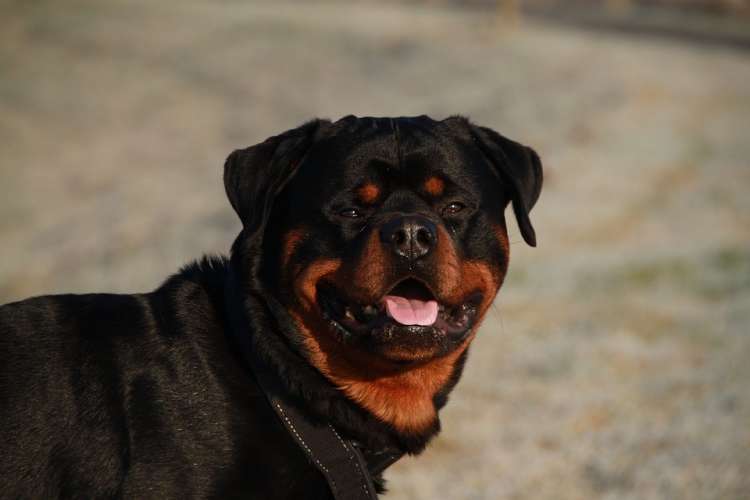
Rottweiler
El Rottweiler en Alemania.
Seccion: El Rottweiler en Alemania.
El Rottweiler es uno de los perros más populares en Alemania, es muy admirado tanto por su físico como por sus aptitudes para el trabajo. ...
Por :
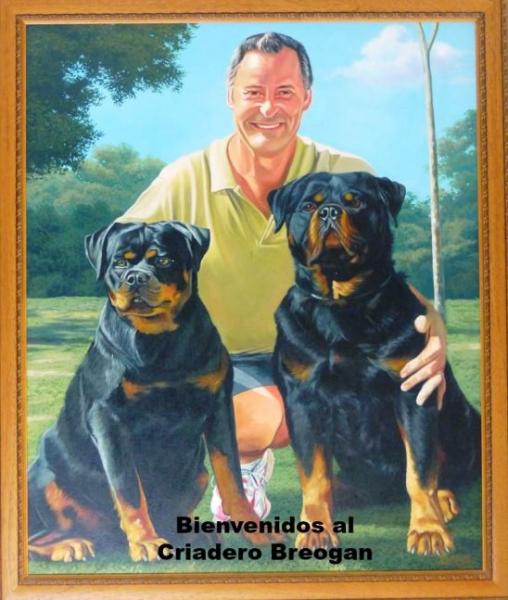
Artículos publicados por Eduardo Díaz (Breogan),
Seccion: A continuación se muestran una serie de artículos publicados por Eduardo Díaz (Breogan), en distintos países... ...
Por :
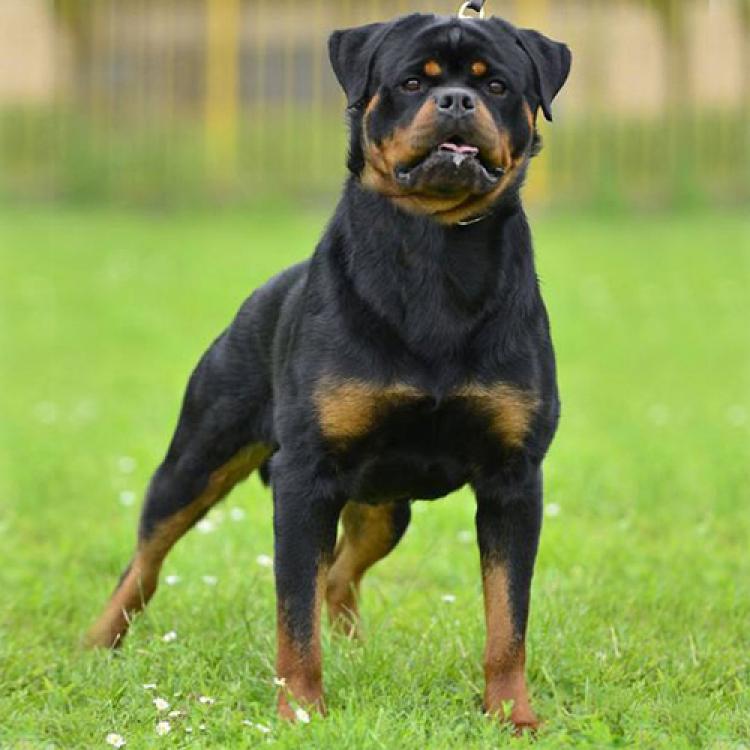
Rottweiler
La Elección de un Semental Rottweiler.
Seccion: La Elección de un Semental Rottweiler.
Cuando veo un Rottweiler, de reconocida fama mundial, o sea un supercampeón, e ocasiones me viene a la mente la pregunta de si podré tener la suerte de criar algún día un ejemplar de tanta calidad. La pregu ...
Por :
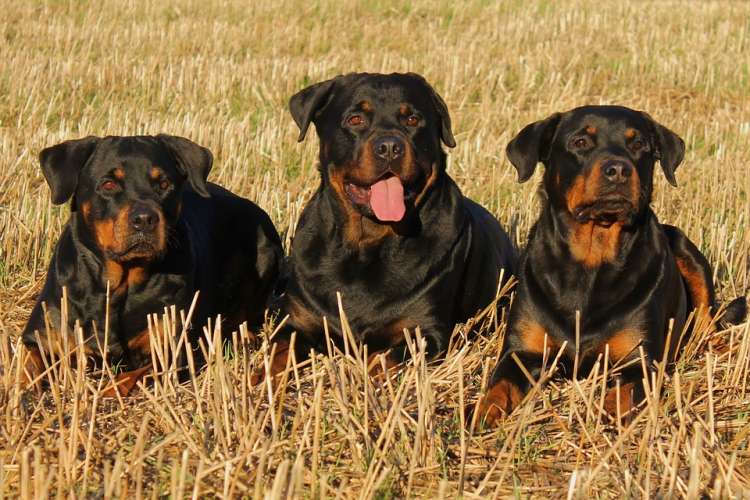
La Consanguinidad en la cría del Rottweiler.
Seccion: La consanguinidad según el diccionario Terminológico de Ciencias Medicas, se define como "el parentesco natural de individuos que descienden del mismo tronco. ...
Por :
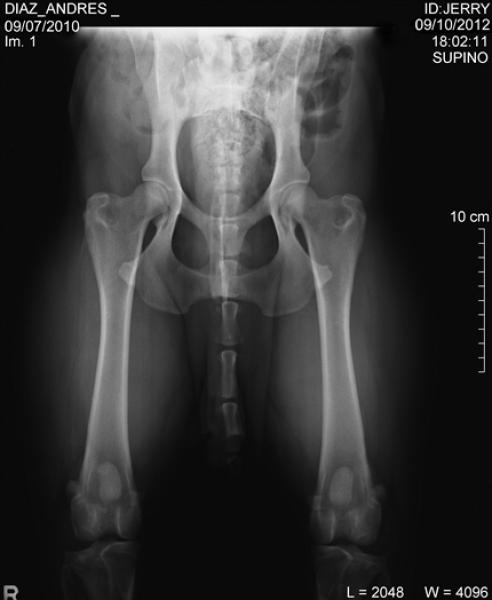
Rottweiler
Incidencias de la Displasia de Cadera en el Rottweiler.
Seccion: Incidencias de la Displasia de Cadera en el Rottweiler.
La articulación de la cadera o coxofemoral, esta formada por la cabeza del fémur y el acetábulo, contribuyen a la estabilidad de dicha articulación el ligamento redondo, los músculos y la cápsula articula ...
Por :